|
BUILDER HUSTLE
AI · TECH · STARTUPS
|
|
|
In This Issue
|
|
❄️ Japan's Personal Cooling Cabin Refreshes Workers in Minutes
|
|
🌱 OpenPlanter Brings Public-Data Investigation to Everyone
|
|
🧩 Google Lets Live HTML Become a 3D Canvas Texture
|
|
✍️ PenEcho Adds Real-Time AI to an Infinite Whiteboard
|
|
|
❄️ JAPAN · CLIMATE TECH · PERSONAL COOLING
|
|
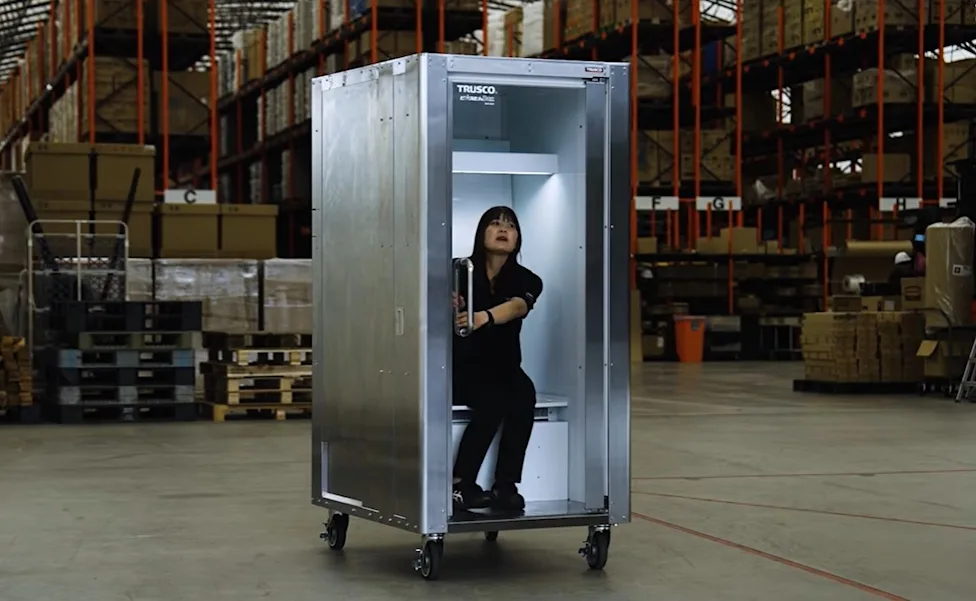
Japan's New “Refrigerator for People” Promises a Full Refresh in 10 Minutes.
|
|
|
Japan has introduced compact personal cooling cabins designed for quick recovery during extreme heat. Users sit inside a small enclosure while the cabin stays around 15 degrees Celsius and directed airflow cools key areas including the neck, head, and back to about 5 degrees Celsius. Developers say a session lasting five to ten minutes can create a clear refresh effect, potentially helping workers restore focus without taking a long break or leaving the workplace.
|
|
AI Insights That Turn Your Data Into Bigger Profits
Your store is full of hidden growth opportunities. StoreClaw analyzes your Shopify and Amazon data, identifies the highest-impact actions, and helps you grow revenue while improving margins. Start free today with 10,000 bonus tokens. No credit card required.
|
🧩 GOOGLE CHROME · HTML-IN-CANVAS · WEBGL
|
|
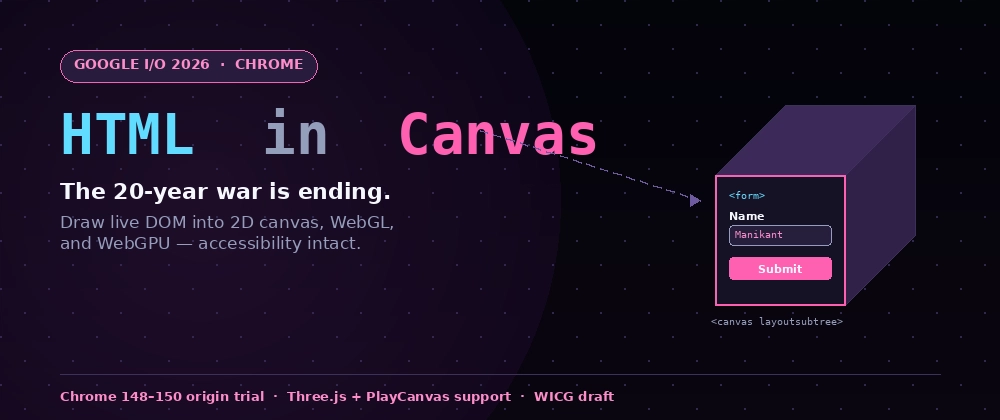
Google Is Testing a Way to Turn Live HTML Into Interactive 3D WebGL Textures.
|
|
|
Chrome's experimental HTML-in-Canvas API lets developers render a live DOM element into a 2D canvas or WebGL and WebGPU texture without losing normal web behavior. The HTML can keep its CSS layout, animations, accessibility semantics, text selection, and editable form controls while its visual output is transformed through a GPU pipeline. That means a dashboard, form, or full interface can be distorted, refracted, wrapped around 3D objects, or animated as part of a visual scene while remaining a real, interactive web interface.
|
|
📌 It bridges a long-standing divide between accessible HTML interfaces and GPU-rich visual experiences.
|
|
⚡ It is an origin trial and not ready for production, so developers still need practical fallbacks.
|
|
|
Read Google's HTML-in-Canvas documentation →
|
|
One idea shouldn't take six rewrites to post.
Posting everywhere means rewriting one idea six times, so you post to one, or none. SureThing turns one idea into native posts for every platform.
|
✍️ PENECHO · OPEN SOURCE · AI WHITEBOARD
|
|
PenEcho Lets AI Respond Directly Beside Your Handwritten Notes.
|

|
|
PenEcho is an open-source shared canvas built for handwriting, equations, diagrams, and spatial reasoning. Write or draw on its 20,000 by 20,000-pixel whiteboard, select a region, and send it to Claude, OpenAI, or Codex for analysis. Instead of returning an answer in a separate chat panel, the model places its response directly next to the relevant work on the board, preserving the visual context of your problem solving. It runs locally, and the developer says individual API requests typically cost only a few cents.
|
|
📌 Keeping the AI response on the canvas makes it easier to work through visual problems without losing your train of thought.
|
|
⚡ It is especially promising for math, physics, tutoring, design reviews, and collaborative technical work.
|
|
|
Explore PenEcho on GitHub →
|
|
Stay sharp,
Builder Hustle


